California Rideshare Passenger Insurance in 2026: $1 Million vs. $60,000
California’s rideshare liability and passenger UM/UIM limits cover different risks. Learn what changed in 2026 and what to ask after an Uber or Lyft crash.
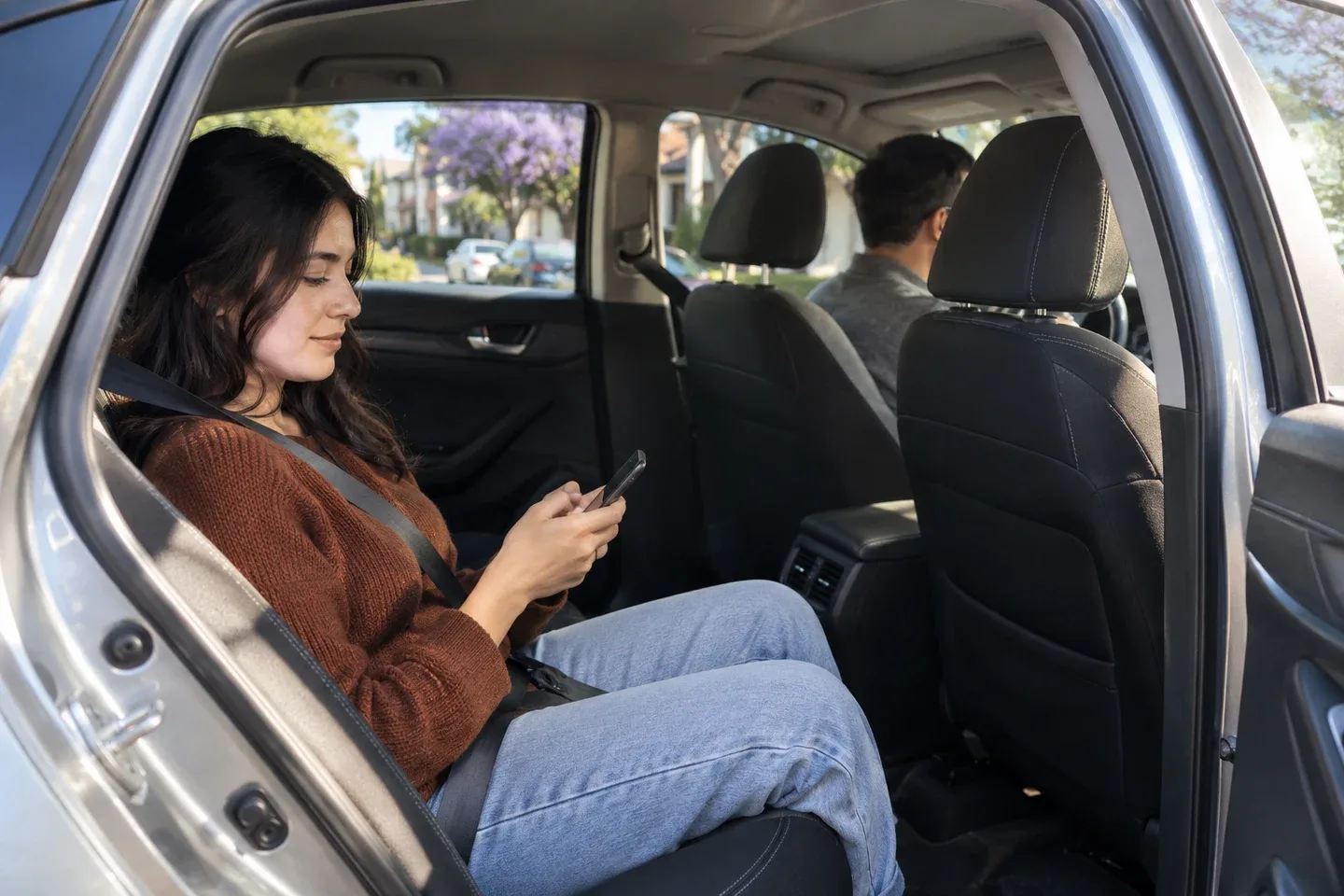
California's $1 million rideshare liability coverage and its $60,000 passenger uninsured-motorist limit describe different protections. For crashes in 2026, confusing those figures can give an injured Uber or Lyft passenger the wrong picture of the insurance available.
The useful questions are who may be legally responsible, what the driver's trip status was, and which coverage the insurer is evaluating. Here is how to separate those questions before you discuss an offer.
What changed for California passengers in 2026?
Current Public Utilities Code section 5433(b) requires primary transportation-network-company insurance of $1 million for death, personal injury and property damage during the accepted-ride period. It separately requires passenger uninsured and underinsured motorist coverage of $60,000 per person and $300,000 per incident, from passenger entry through exit. SB 371 amended the section effective January 1, 2026.
The California Assembly Insurance Committee's 2025 legislative summary, page 5 confirms that the passenger UM/UIM requirement was reduced from $1 million. That change did not turn every rideshare injury policy into a $60,000 policy.
Liability and UM/UIM answer different questions
Liability coverage concerns injuries or damage for which an insured is legally responsible. Uninsured/underinsured motorist coverage, often shortened to UM/UIM, addresses qualifying injuries involving another responsible driver who has no insurance or insufficient insurance. In its California insurance announcement, Uber distinguishes its $1 million liability protection for crashes caused by the rideshare driver from the passenger UM/UIM limits taking effect in 2026.
A policy limit is neither a guaranteed payment nor a valuation of your injuries. The responsibility evidence, policy terms, covered losses and other available coverage still need review. Section 5433(f) also says the required insurance does not limit a transportation network company's liability above that coverage; identifying insurance and establishing a company's legal liability are separate tasks.
For the basic terms, our uninsured-driver coverage guide offers questions to bring to an insurer. This article addresses the additional California rideshare rules.
Why the trip record matters
The statute distinguishes waiting for a request, an accepted ride, and the period when a passenger is physically in the vehicle. Its accepted-ride liability period runs until the transaction or ride is complete, whichever is later. Passenger UM/UIM has its own entry-to-exit period. Do not assume every app-on moment carries identical protection.
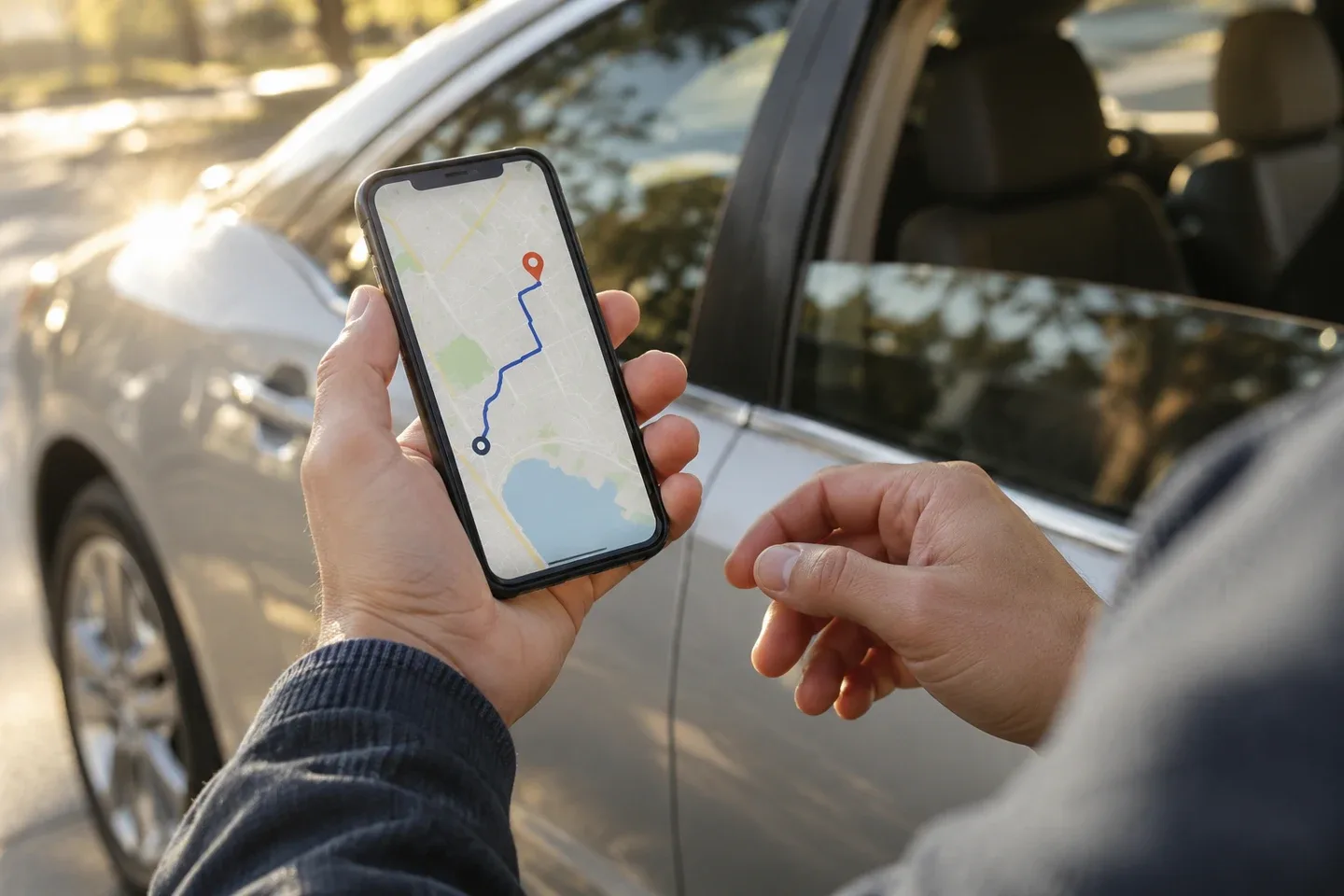
Save the trip receipt, pickup and drop-off details, driver and vehicle information, and any platform incident reference. Note whether the crash occurred before pickup, during the journey, or while you were leaving the vehicle. If the app record looks wrong, describe the discrepancy rather than changing your original screenshot. Request confirmation of the recorded trip status and insurer handling that time period.
Three situations to discuss with the claims handler
- The rideshare driver may have caused the crash. Ask whether the accepted-trip liability policy is being evaluated, which insurer is handling it, and what responsibility evidence is still needed.
- Another driver may have caused the crash. Ask about that driver's liability coverage and whether a passenger UM/UIM claim should also be evaluated. Have an attorney review how the available policies interact.
- The accounts conflict or several vehicles are involved. Ask which parties and policies are under investigation. Do not treat one representative's opening explanation as a complete coverage review.
These are questions for organizing a review, not findings that a particular policy must pay. If a driver asks you to describe a paid trip as a personal ride, keep your account factual and retain the original booking evidence.
What to ask before accepting a passenger settlement
Request a written explanation that identifies the insurer, coverage type and limits being discussed. Then ask what the proposed payment resolves. Does the release concern one driver, one policy or additional parties? Are medical costs and future care still uncertain? Who is checking whether other coverage applies?
A helpful opening message is: “I was a booked passenger on this trip. Please confirm the trip status, claim number and coverage under review, and tell me which records you need.” Send sensitive records only through a verified destination. Keep an unchanged copy of every response.
Our settlement-offer checklist covers broader release and cost questions. A California attorney can assess how those questions apply to the crash and your policies.
Start with coverage facts, then consider value
Put the crash date, passenger status, trip reference, insurer contacts and outstanding coverage questions on one page. That helps the reviewing attorney focus on the issue instead of reconstructing your journey.
You can also explore an educational claim estimate. A calculator cannot determine whether a rideshare insurer covers a particular event or resolve disputed responsibility.
Sources checked October 15, 2026. Claim Value Now is not a law firm. This article provides general educational information, not legal advice or a promise of coverage, compensation or any case outcome.
Claim Value is a marketing and intake service. Articles are for general educational purposes, do not provide legal or medical advice, and do not predict a case outcome. Laws and circumstances vary.
Wondering where your claim starts?
Our free calculator helps you explore an educational range based on your answers.
Start my estimate