Car Insurance Repair Estimate Too Low? How Supplements Work
A first repair estimate may change when a shop finds related damage after disassembly. Learn what a supplement is, what to document, and how to confirm which added repairs the insurer has approved before work continues.
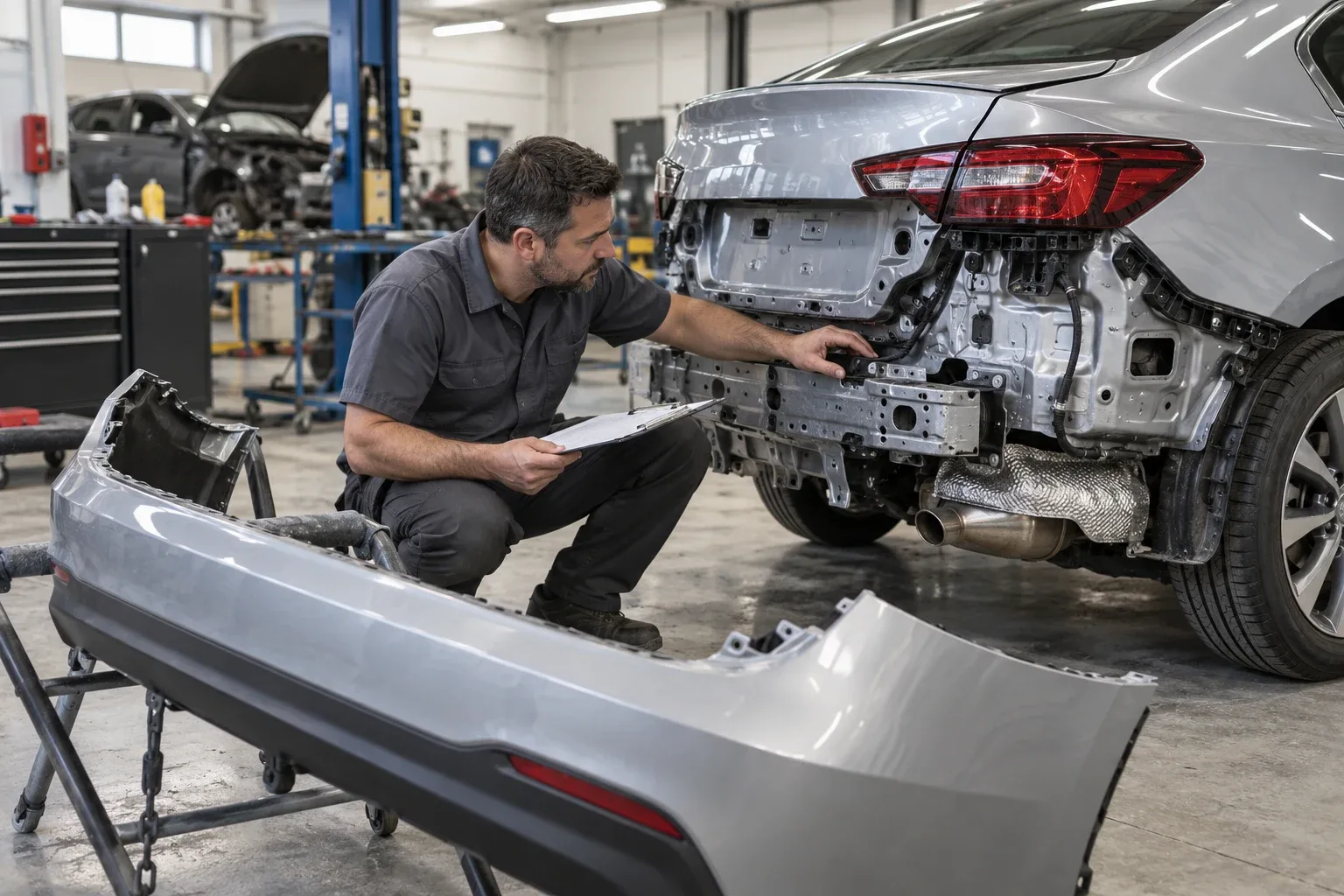
An insurer’s first car repair estimate is based on the damage it could see and evaluate at that point. If a shop finds related damage after removing a bumper or other parts, it can document the new work and ask the insurer to review a repair supplement. Before repairs move ahead, ask for an itemized comparison, written approval for added work, and a clear explanation of any amount you may owe. A supplement is a request for additional covered repair costs—not an automatic payment.
Why a car insurance estimate may be lower than the shop’s
The first inspection may happen before the vehicle is disassembled. A photo estimate or visual inspection can miss damage behind a panel, a broken bracket, a sensor issue, or work needed to restore the vehicle safely. The shop may also use different labor operations, part selections, or repair methods from the insurer’s initial estimate. A higher shop quote does not by itself prove that the insurer must pay the difference; the disagreement needs to be explained and reviewed under the applicable coverage and claim facts.
For example, the California Department of Insurance explains that when a shop finds additional damage during repairs, it contacts the insurer for approval and the insurer may reinspect. The Idaho Department of Insurance describes a supplement as a request after related damage is found once repairs begin. Rules and policy terms differ by state, so treat these as examples of the process—not a nationwide promise of coverage.
What to do when your repair estimate looks incomplete
- Ask the shop to compare estimates line by line. Request the insurer’s estimate and the shop’s written estimate. Ask the estimator to identify each missing operation, part, labor item, or documented damage and explain why it is related to this crash.
- Have the shop document newly discovered damage. Ask for clear photographs, notes, and an itemized supplement. If the repair area is disassembled, ask the shop to preserve useful photos and records before work continues.
- Send the supplement to the adjuster and keep a copy. Ask whether the insurer needs an in-person reinspect, more photographs, or other records. Confirm how the shop should submit the request and how you will be told the decision.
- Get the decision and payment responsibility in writing. Ask which added operations were approved, which were not, whether the shop can begin them, and what the insurer says remains your responsibility. Your deductible, coverage limits, policy language, fault, and the type of claim can affect payment.
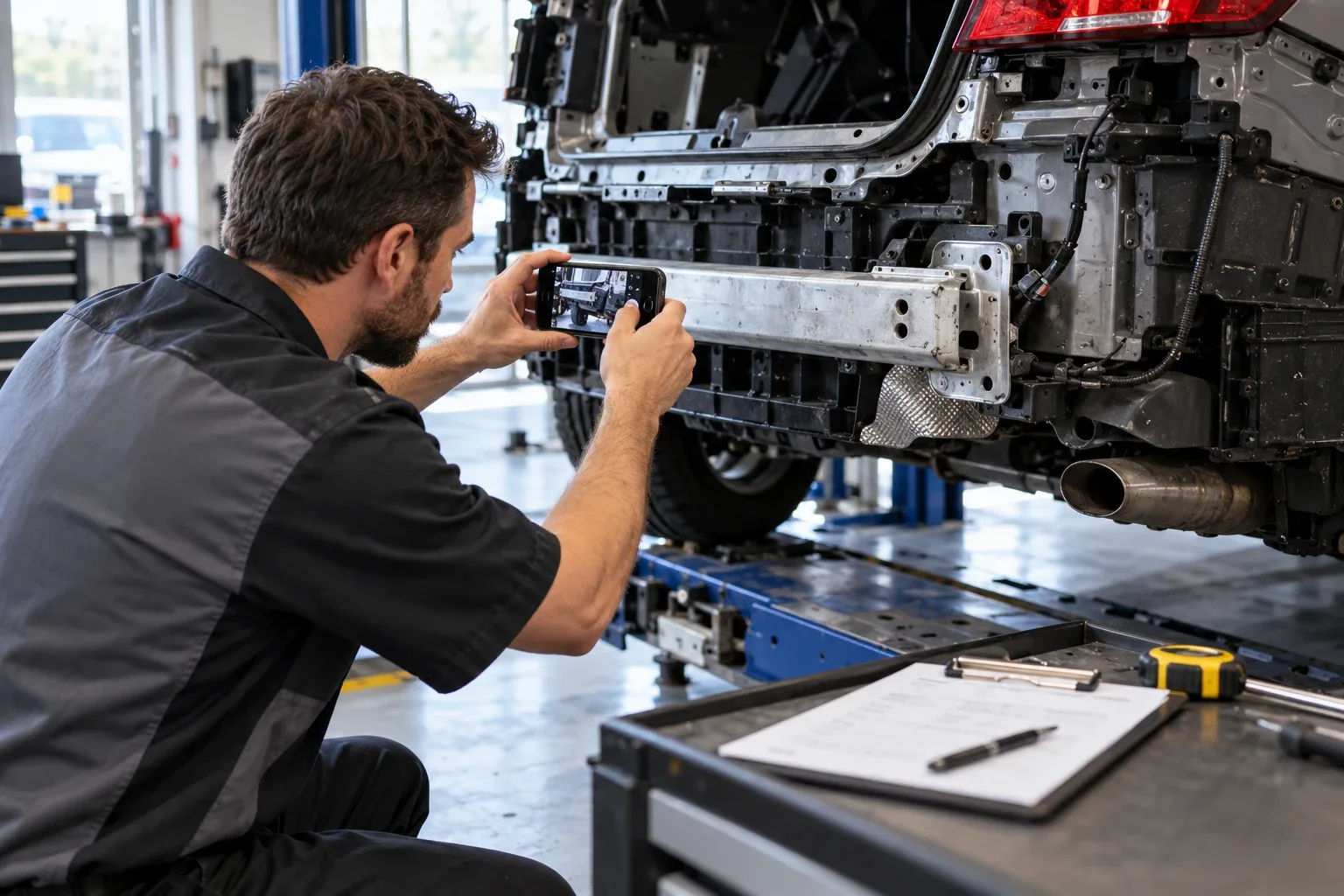
Before authorizing work that costs more
Ask the shop for a revised written estimate and a repair authorization that says what work is approved and how the shop will handle further changes. Do not assume that sending a supplement means it has been accepted. If work proceeds before a decision, ask the shop and insurer who would be responsible if some charges are not approved. Keep the estimate versions, photos, messages, inspection dates, and receipts together. This creates a record without assuming that any particular amount is owed.
If the estimates still disagree, send the adjuster a concise written list of disputed line items and the shop’s supporting documentation. Ask for the insurer’s explanation and for the next review step under your policy. If you are making a claim under your own collision coverage, check whether your policy explains an appraisal process for disputes over the amount of vehicle damage. A state insurance department may explain complaint options, but it generally will not write the repair estimate for you or decide every factual dispute.
Estimate, supplement, deductible, and total loss are different questions
A repair supplement addresses additional or changed repair work. It does not establish who caused the crash, settle an injury claim, or automatically remove your deductible. If repair costs approach the vehicle’s value, ask the adjuster whether the claim is still being evaluated as a repair or may be handled as a total loss. Read the settlement and release documents before signing; the issues are separate from a vehicle’s possible post-repair resale loss, covered in our guide to diminished value claims.
Claim Value Now is not a law firm. This article is general educational information; policy terms and state rules control individual claims. If you are also evaluating an injury claim, our claim calculator can help organize a preliminary estimate, but it does not set the value of a vehicle repair or predict a settlement.
Claim Value is a marketing and intake service. Articles are for general educational purposes, do not provide legal or medical advice, and do not predict a case outcome. Laws and circumstances vary.
Wondering where your claim starts?
Our free calculator helps you explore an educational range based on your answers.
Start my estimate