Car Seat Replacement After a Minor Accident: Safety and Insurance
A seat can look undamaged after a crash and still need replacement. Check the manufacturer’s instructions, understand NHTSA’s minor-crash criteria, and organize your insurance request.
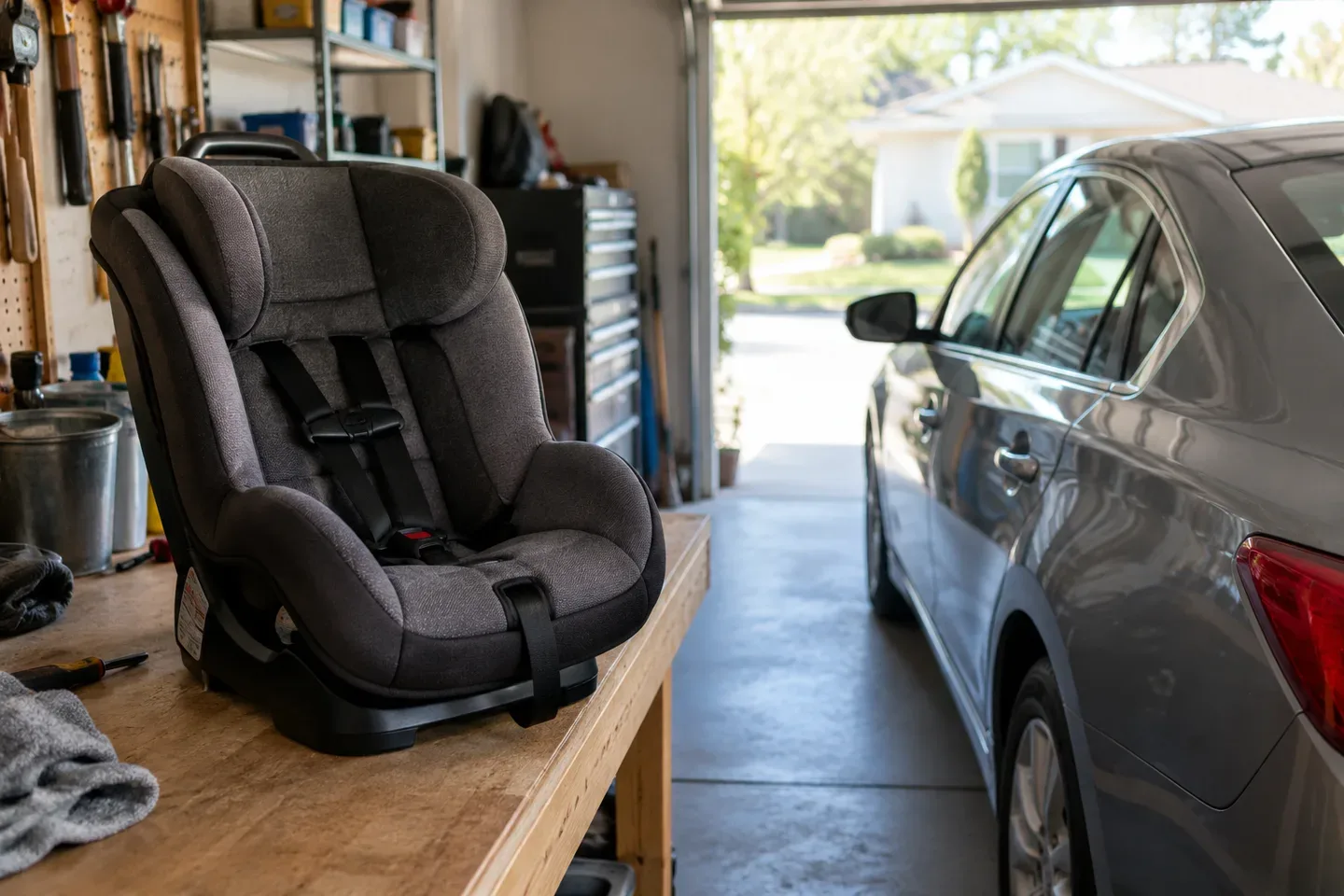
A minor-looking accident does not automatically mean your child’s car seat can be used again. Start with the instructions for the exact seat. NHTSA recommends replacement after a moderate or severe crash; its exception for a minor crash depends on all five conditions below. A manufacturer may require replacement even when those conditions are met. Insurance reimbursement is a separate question.
If you are unsure whether a seat should remain in use, contact its manufacturer before using it again and arrange an appropriate replacement or other safe transportation. An insurer’s approval process does not determine whether a seat is safe.
What counts as a minor crash under NHTSA guidance?
According to NHTSA’s guidance on car-seat use after a crash, the minor-crash exception requires every condition in this checklist:
- The vehicle could be driven from the scene.
- The door closest to the child restraint was undamaged.
- No occupant was injured.
- The airbags did not activate.
- The restraint itself shows no damage.
NHTSA says never to reuse a restraint involved in a moderate or severe collision and to follow its maker’s directions. A low repair estimate or the absence of an airbag deployment, by itself, does not establish that all five conditions were satisfied.
Why the manufacturer’s instructions can change the answer
Find the manual for your specific model and read its post-crash replacement section. If anything is unclear, ask the manufacturer to confirm the instructions in writing. Give the model number and crash facts rather than asking only whether a “fender bender” counts.
For example, Graco’s published accident guidance recommends replacing its child restraints after any accident, including when nobody occupied the seat. It explains that hidden damage can exist without obvious external signs. That is one manufacturer’s policy; check your own product rather than applying it to every brand.
A seat that looks normal in photographs has not thereby passed a safety inspection. Do not disassemble, repair or test it yourself to try to prove that it is safe.
Will insurance pay to replace the car seat?
Payment can depend on the applicable policy, the circumstances and state law. Ask your own carrier or the other driver’s claims representative which claim is being evaluated and what documentation is needed. Avoid assuming that every insurer pays automatically, that a child must have been riding in the seat, or that the replacement process is identical in every state.
Graco’s guidance directs owners to their insurer and notes that documentation such as the manual or a manufacturer letter may be requested. A manufacturer’s replacement instruction supports the safety reason for your request; it is not a guarantee that a particular policy covers the expense.
Build a small replacement-claim file
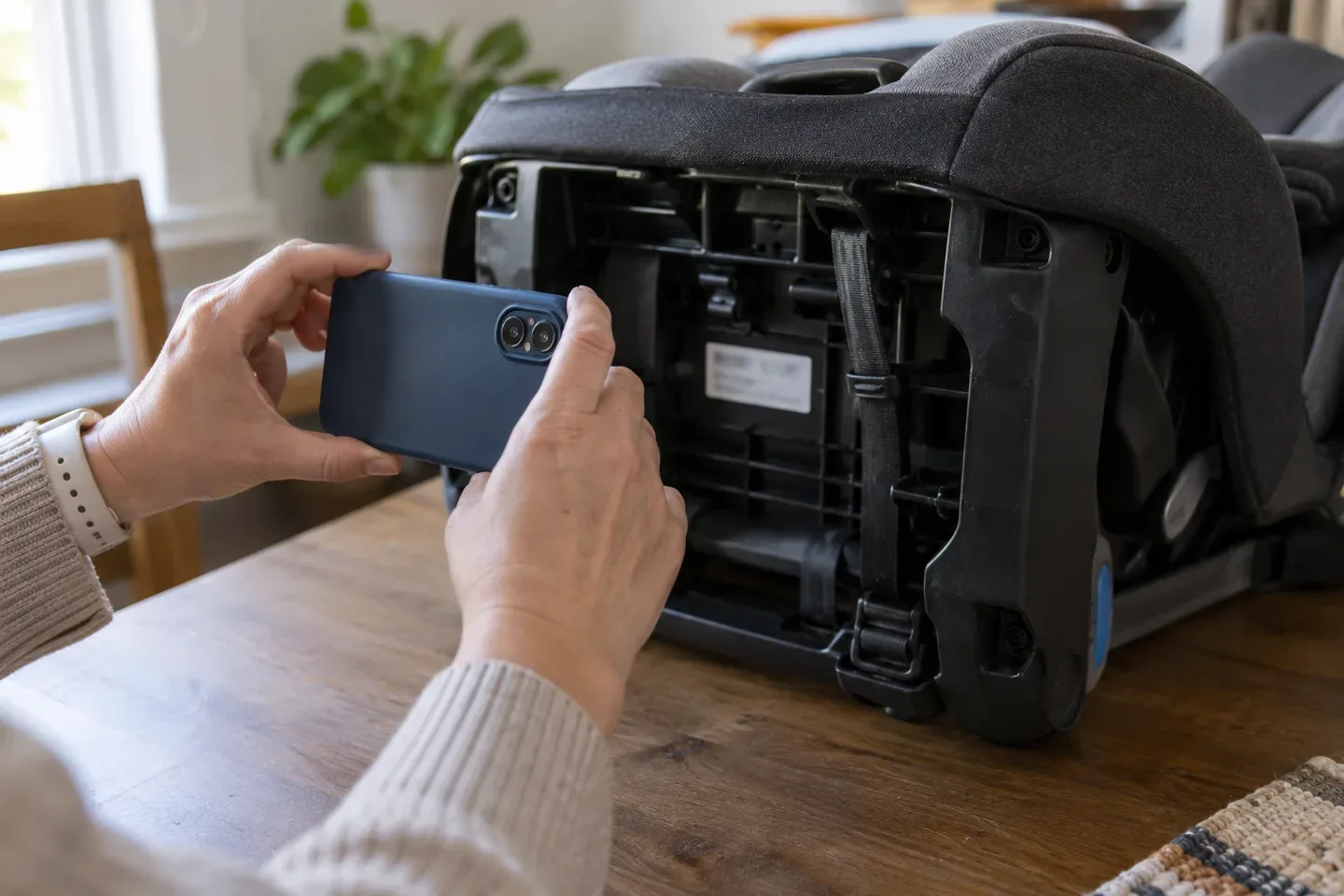
- Identify the product: photograph its label, model number and manufacture date. Include a separate base if the manufacturer says it also needs replacement.
- Document the event: keep the crash date, claim number and photographs already obtained safely. Record where the seat was located.
- Save the instructions: retain the relevant manual page and any written response from the manufacturer.
- Show the cost: keep the original receipt if available, a quote for a comparable replacement and any new purchase receipt.
- Track the response: save the adjuster’s written requirements, decision and explanation.
Ask whether the insurer needs to inspect the old seat or obtain specific photographs before disposal. Keep it clearly set aside from usable equipment while resolving those requirements. Follow the manufacturer’s disposal guidance so a seat that should be replaced does not return to use through resale or donation.
What to say if an adjuster points only to visible damage
Send a factual request: “This seat was in the vehicle during the crash. I have attached the model details and the manufacturer’s replacement instructions. Please confirm the coverage being considered, the documents still needed and the basis for your decision.”
If the request is declined, ask for a written explanation identifying the relevant policy language. Your state insurance department can explain its consumer complaint process; a qualified attorney can advise on disputed legal rights. Do not make a safety decision simply because a claim remains unresolved.
Keep this expense separate from injury-claim estimates
Organize the replacement expense alongside your other crash records, but identify it clearly as a property-related item. Replacing a seat does not establish that anyone suffered an injury, and a modest vehicle repair does not resolve an injury claim.
Our accident evidence checklist and guide to insurance conversations can help you organize the next steps. If you also have injury-related questions, the educational claim calculator provides a starting point for discussion, not a coverage determination.
Sources checked October 16, 2026. Claim Value Now is not a law firm. This article provides general educational information, not legal advice, a product safety certification or a promise of insurance payment.
Claim Value is a marketing and intake service. Articles are for general educational purposes, do not provide legal or medical advice, and do not predict a case outcome. Laws and circumstances vary.
Wondering where your claim starts?
Our free calculator helps you explore an educational range based on your answers.
Start my estimate