Accident Photos and Evidence: What to Save Without Putting Yourself at Risk
A useful evidence file captures context, not just damage. Learn how to organize photos, report details and witness information safely.
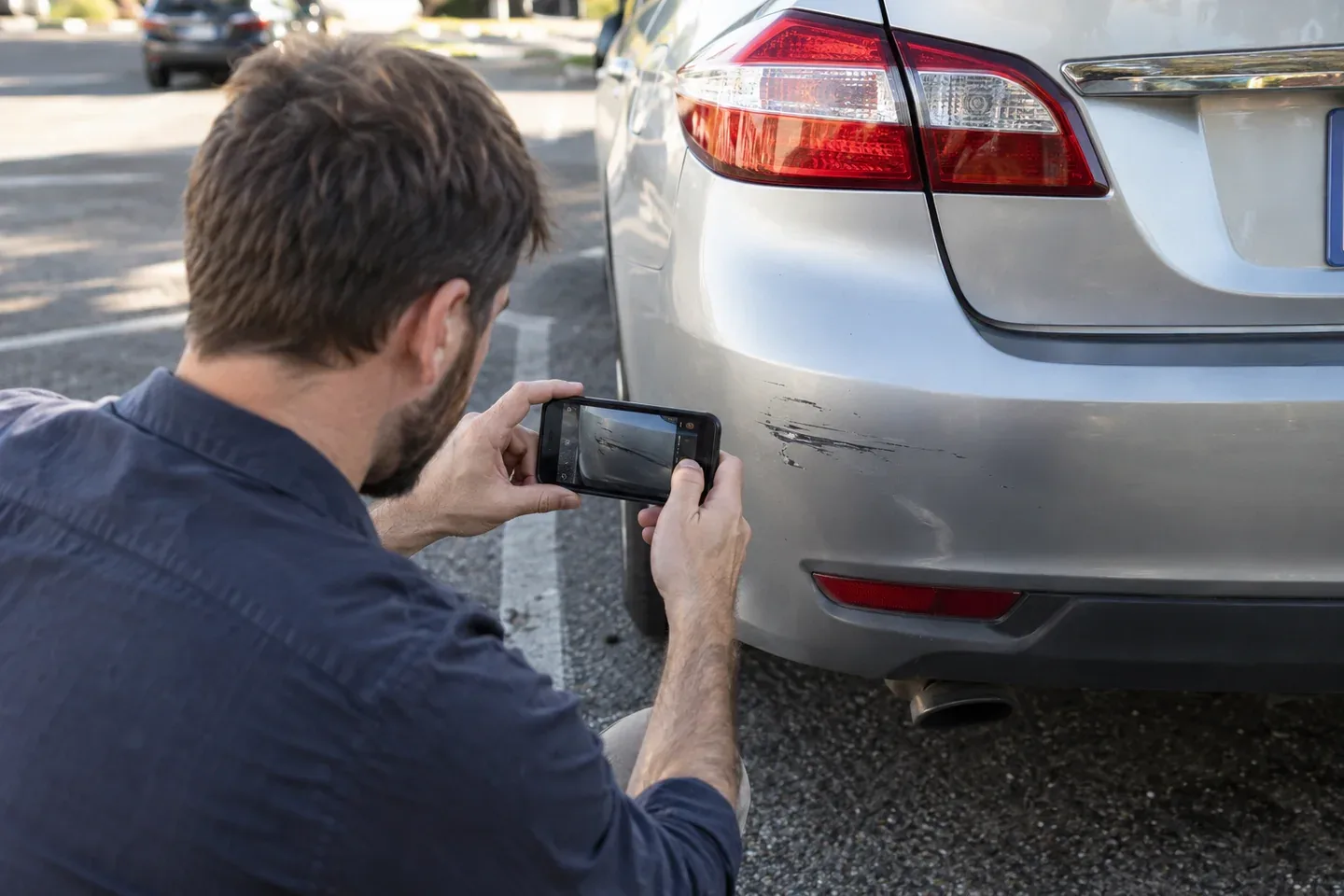
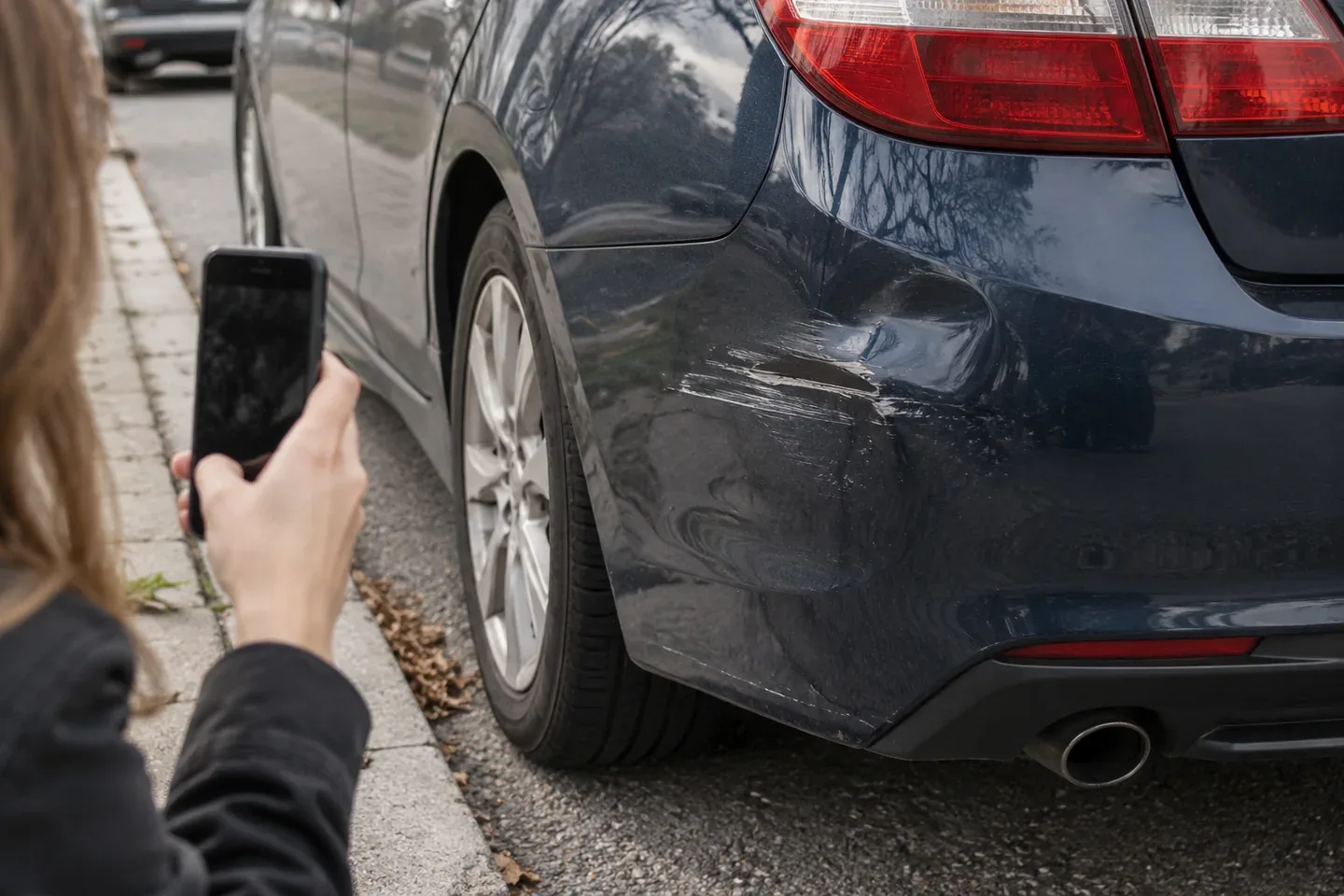
A close-up of a damaged bumper captures one detail. A wider photograph may help explain where the vehicles were, what the road looked like and what surrounded the scene. A useful accident file brings these different pieces together without asking you to investigate a dangerous situation.
Safety comes first. If an image would require stepping into traffic, delaying emergency help or approaching a hazard, skip it.
Think in layers: scene, vehicles and context
The Texas Department of Insurance recommends saving accident details, witness contacts and photographs of vehicles, damage, signs and road angles. The wider lesson is to preserve context alongside close-up detail.
- Scene: an overview from a safe position.
- Vehicles: the visible damage and relevant vehicle details.
- Context: signs, markings and conditions you can safely document.
You are collecting a record of what you observed, not proving a conclusion with every photograph. If a photo does not show a fact clearly, explain the limitation rather than overstating it.
Preserve originals and make working copies
Keep original photos and videos in a secure folder. Use copies for labels or annotations so the original stays available. Choose simple filenames or a separate index: “Photo 1 — wide scene,” “Photo 2 — rear bumper,” and “Photo 3 — intersection sign.”
If your phone syncs to a personal cloud account, confirm that you can still access the files. Back up important material somewhere you control. Do not rely on a social media post as your only copy.
Write a brief note while you can
Record when and where each set of images was taken. Add a short account of what you remember, and clearly mark anything you learned later from someone else. “Witness told me…” and “I saw…” should remain distinct in the file.
If you do not know an exact time or distance, describe it as approximate. A careful record is more useful than a confident guess.
Keep contacts and references easy to find
Save witness contact information, the police report reference if available and the agency's instructions for obtaining a copy. Do not pressure witnesses to agree with your account. Preserve any messages they voluntarily send in their original form.
If you believe relevant camera footage exists, tell the reviewing attorney promptly where it may be held. Do not assume it will remain available, and do not trespass or attempt unauthorized access to obtain it.
Share through a suitable channel
Photos and documents may include private information about other people. Confirm the recipient before sharing. If you need to obscure private details for a public discussion, keep an untouched original separately and avoid publicly posting identifying documents.
Build an evidence index for your review
A short list of files, dates and unanswered questions is enough. Add it to the accident checklist rather than creating an elaborate system you will not maintain.
Claim Value Now's calculator cannot inspect evidence or decide responsibility. Use it for an educational starting point, then bring the underlying records to a qualified attorney for advice.
This article provides general educational information, not legal or medical advice. Claim Value Now is not a law firm. Coverage, deadlines and legal rights depend on the facts, policy and applicable law. An estimate is not a settlement prediction or guarantee.
Claim Value is a marketing and intake service. Articles are for general educational purposes, do not provide legal or medical advice, and do not predict a case outcome. Laws and circumstances vary.
Wondering where your claim starts?
Our free calculator helps you explore an educational range based on your answers.
Start my estimate