Will I Get My Car Insurance Deductible Back After an Accident?
You may pay a collision deductible while your insurer handles repairs, then wait to learn whether it can recover money from another party. Here is what to ask and track.

You may get some or all of a collision deductible back if your insurer later recovers money from the person responsible or their insurer. Reimbursement is not automatic in every claim. The result can depend on fault, whether recovery is possible, how much is recovered, your policy and state rules. Ask your insurer whether it is pursuing subrogation, whether your deductible is included, and how it will report a recovery.
A deductible is generally the part of a covered loss you are responsible for under your own policy. California’s Department of Insurance defines it as the amount the policyholder pays before covered benefits are payable. Your contract controls the amount and when it applies; see the California DOI auto insurance terms.
Why might I pay a deductible if I was not at fault?
If you make a collision claim with your own insurer, the policy may require a deductible while the insurer evaluates and repairs the vehicle. That can happen before the other driver’s insurer accepts responsibility. Using your own coverage may help move repairs forward; a claim directly against the other driver’s insurer follows that company’s investigation and coverage decision.
Fault is not always settled immediately. The other carrier may dispute responsibility, the other driver may have limited or no insurance, or more than one party may share fault. Your insurer can explain what your policy requires while it investigates. A police report or another driver’s apology alone does not guarantee an insurer’s final decision.
What is subrogation?
Subrogation is an insurer’s effort to recover money it paid on a claim from a party it considers responsible. If your insurer paid repair costs under collision coverage, it may seek recovery from the other driver or insurer. The deductible is the part you paid, so ask whether your interest is included in that effort.
State guidance differs. The Washington Office of the Insurance Commissioner says an insurer must include a paid deductible in its subrogation demand and explains that partial fault can reduce the recovery proportionally. California’s Department of Insurance says a company pursuing subrogation must include the deductible and describes reimbursement in relation to the recovery. Those are examples for those states, not a nationwide rule. See California’s accident and claim guide.
What if the insurer recovers only part of the money?
A partial recovery can mean a partial deductible reimbursement, depending on applicable rules and the facts. California’s regulator illustrates a 65% recovery with a corresponding 65% deductible reimbursement. Treat that as California consumer guidance, not a promise about another state or your claim. Ask whether shared fault, limits, fees or another issue affects your result.
If no recovery is made, you may not receive a reimbursement through subrogation. Ask what happened and whether your state or policy offers another option. Before contacting the other driver to settle your deductible directly, talk to your insurer. California’s DOI cautions policyholders not to take steps that could jeopardize the insurer’s recovery rights.
Questions to send your claim representative
Has the liability decision been made, and is any fault assigned to me?
Is the company pursuing subrogation? If so, when did that process start?
Is my deductible included in the demand, and how will I hear if money is recovered?
Could partial fault, a policy limit or unresolved coverage reduce what returns to me?
If the company will not pursue recovery, what written explanation and next steps apply under my policy and state rules?
Should I avoid signing or discussing a separate property settlement while recovery is pending?
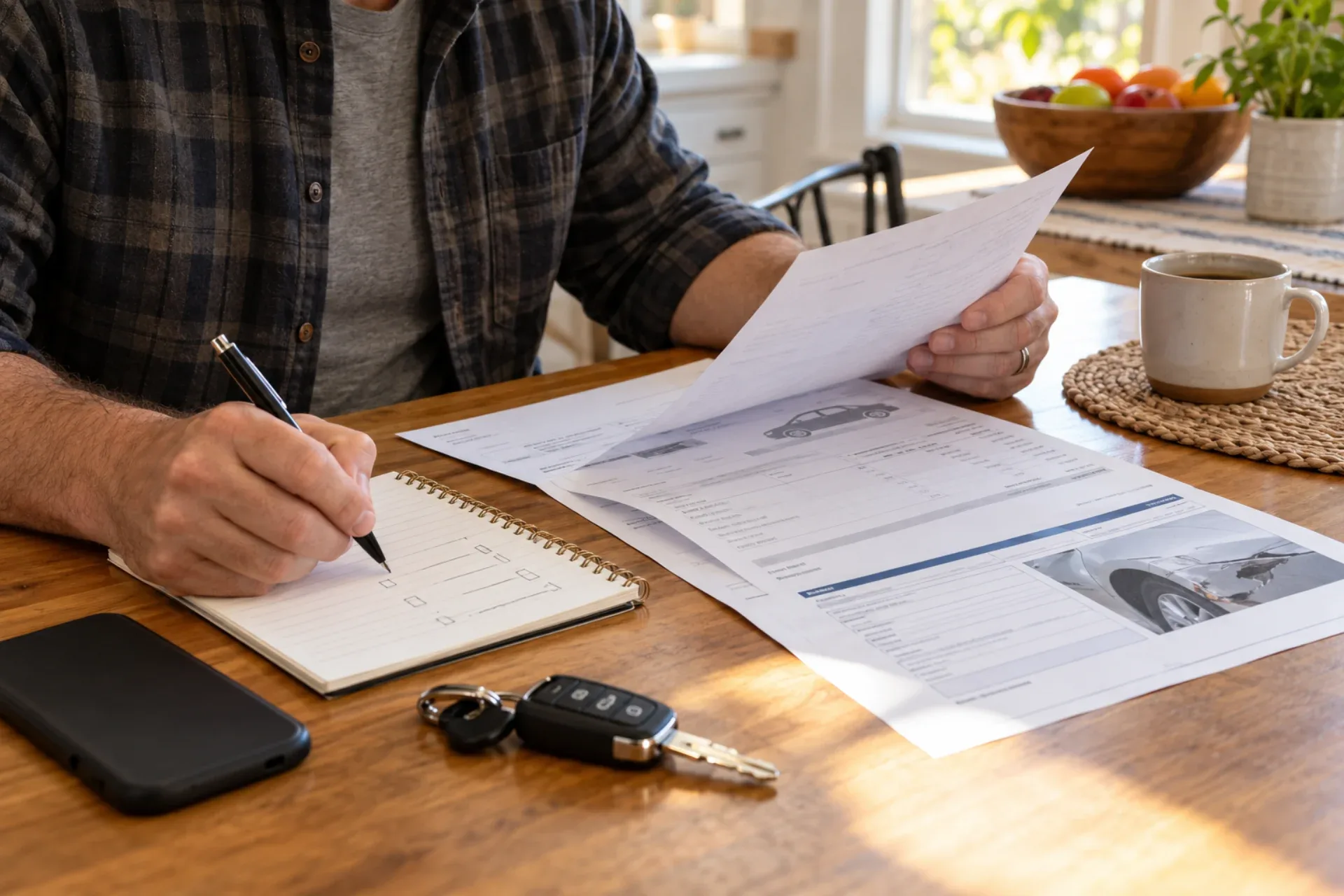
Keep your declarations page, deductible amount, repair invoice, proof of payment, claim number and insurer messages together. Record the date and name of each person you speak with, then summarize promised follow-up in an email or portal message.
How long does reimbursement take?
There is no single timeline for every state and claim. Recovery can depend on investigation, liability decisions, communication between insurers and whether the other party has applicable coverage. Ask for the current status and a realistic next update date. Your state insurance department can describe its consumer complaint process if the insurer does not explain its handling.
Deductible recovery is a vehicle property issue, separate from injury compensation. Our uninsured-driver coverage guide explains coverage questions after a crash. You can also use the educational claim calculator for a separate injury estimate; it cannot determine whether your deductible will be returned.
Sources checked October 19, 2026. Claim Value Now is not a law firm. General educational information, not legal advice or a guarantee of reimbursement. Policy terms and state rules control.
Claim Value is a marketing and intake service. Articles are for general educational purposes, do not provide legal or medical advice, and do not predict a case outcome. Laws and circumstances vary.
Wondering where your claim starts?
Our free calculator helps you explore an educational range based on your answers.
Start my estimate