What to Do After a Car Accident: A Calm, Practical Checklist
Start with safety, then organize the details. A practical guide to the information, records and questions that can help after a crash.
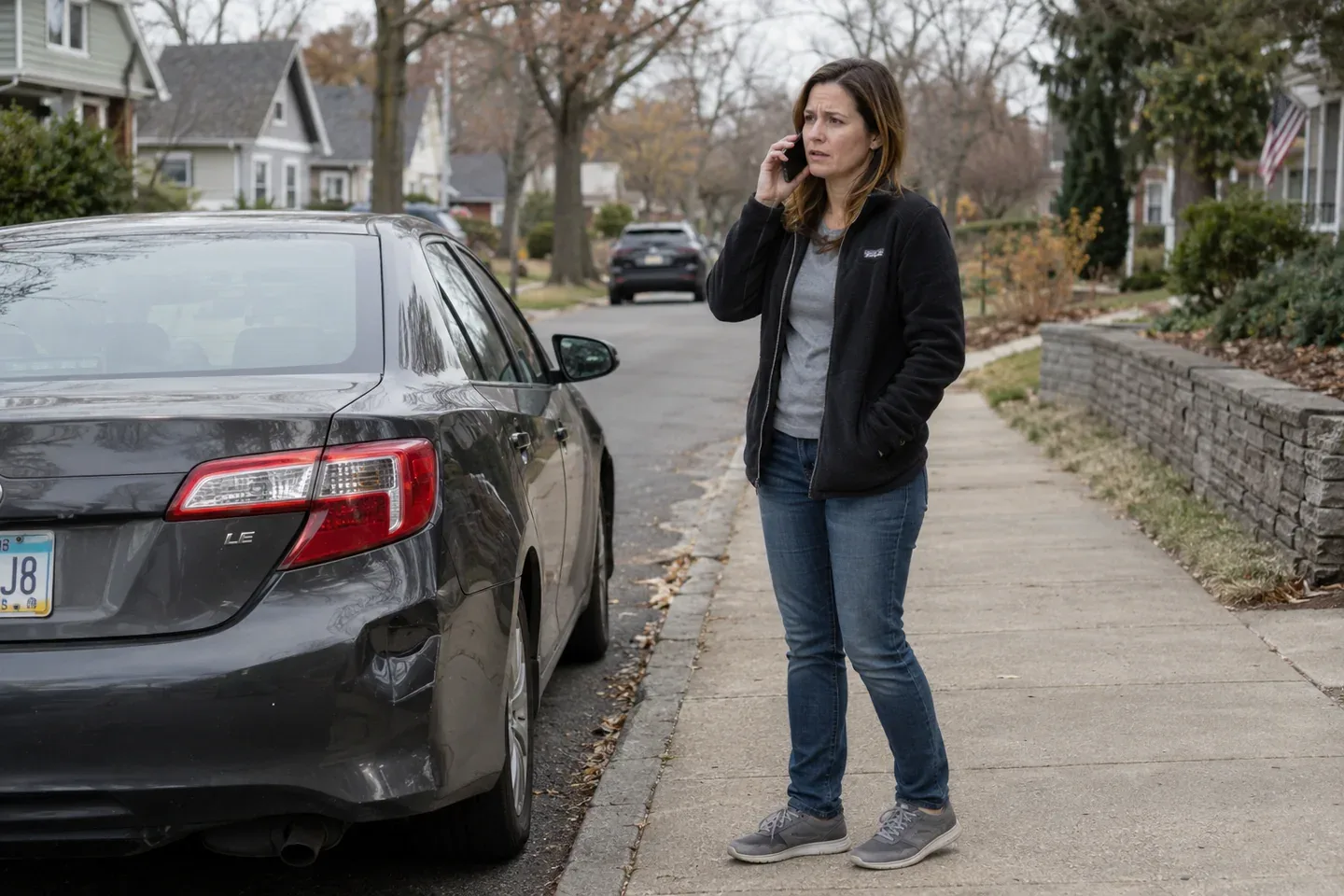
A crash can turn an ordinary day into a string of decisions. Who should you call? Which details should you save? Where do the bills go? You do not need to solve the whole claim at the roadside. Start with immediate needs, then give yourself a simple way to keep track of what follows.
Use this checklist as a starting point. If an emergency is happening, getting help comes before collecting documents or using a calculator.
1. Put safety first
The National Association of Insurance Commissioners recommends calling 911 if someone is injured and moving a drivable vehicle out of traffic when it is safe to do so. Follow emergency responders' instructions. Do not step into traffic for photographs.
If you are unsure about an injury, contact a healthcare professional. A claims tool cannot evaluate symptoms or tell you whether treatment is necessary.
2. Save the basic facts
When it is safe, record the accident's date, time and location. Save the other driver's contact and insurance information, vehicle details, witness contacts and any police report reference. The NAIC's guide also recommends documenting the scene and road conditions.
Keep observations separate from assumptions. “I saw the car enter the intersection” is more useful than guessing what the driver was thinking. If you cannot remember something, leave a question in your notes instead of filling the gap.
3. Give the paperwork one home
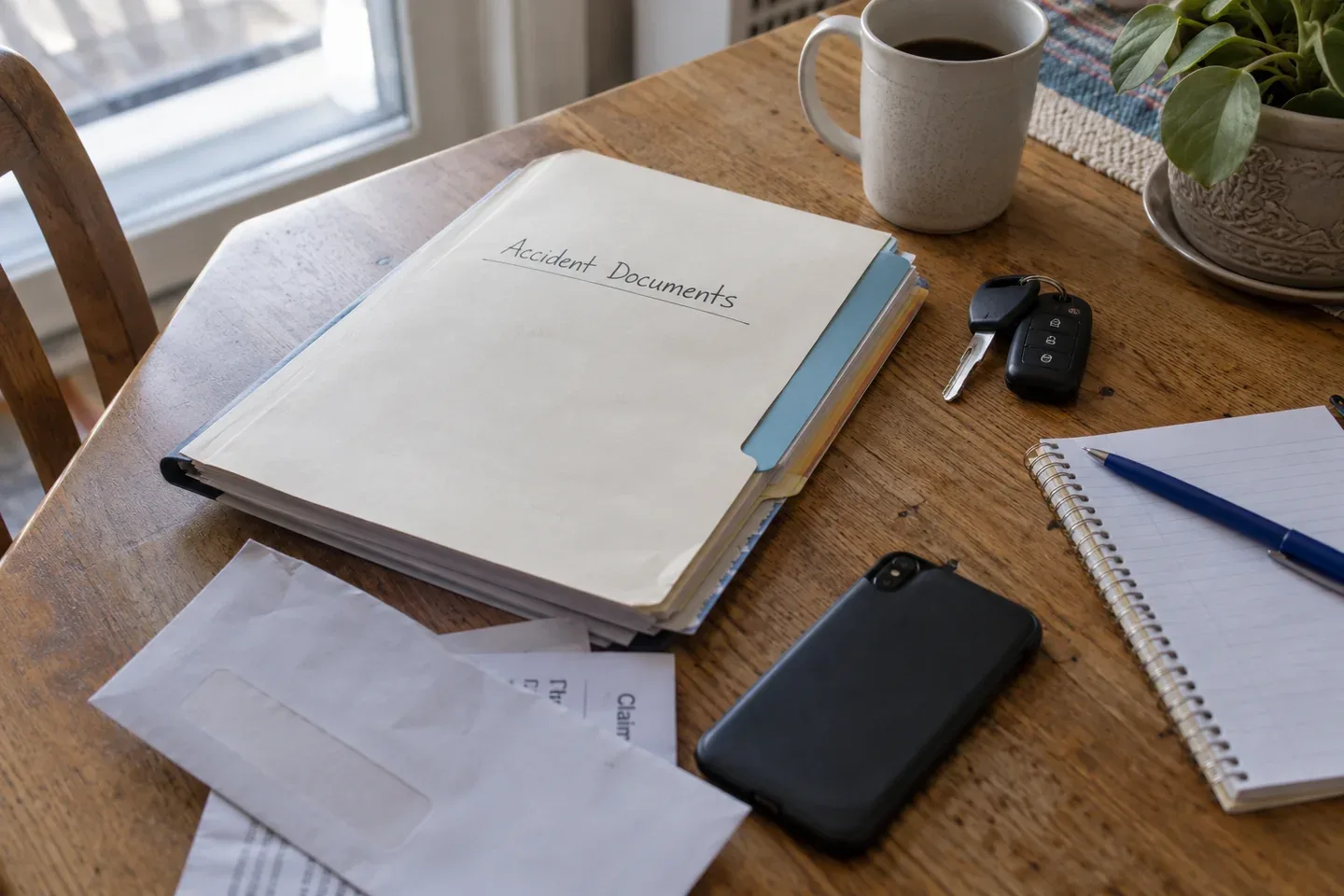
Create a folder called “Accident — date.” Inside it, use these five sections:
- Scene: photographs, witness details and report references.
- Care: provider names, appointment dates, medical records and bills.
- Work: missed shifts, work restrictions and income documents.
- Expenses: receipts with a short explanation of each cost.
- Insurance: claim numbers, letters, emails and call notes.
The goal is a usable record, not a perfect filing system. A folder on your phone and a paper envelope can be enough to begin.
4. Track the next action, not just the last call
For every insurance conversation, write down the person's name, the date, the claim number and what they requested. Add one final line: “Next action / who is responsible.” This turns a pile of conversations into a manageable list.
If you are asked for a document you do not have, record that too. You can explain that the request is pending rather than assuming the file is complete.
5. Prepare for a case review
Write a short summary: what happened, the care you have received, how your routine has changed and the questions you need answered. Include any existing attorney relationship and any offer or document you have received. A review is more productive when the reviewer can see both the facts and the unresolved issues.
Our consultation preparation guide gives you a simple agenda. You do not need every record before asking which deadlines apply.
Where a calculator fits
Claim Value Now's calculator can help you organize an initial picture of your situation. Treat the result as educational context. It does not confirm liability, coverage or a recovery amount, and it does not replace individual advice from a qualified attorney.
This article provides general educational information, not legal or medical advice. Claim Value Now is not a law firm. Coverage, deadlines and legal rights depend on the facts, policy and applicable law. An estimate is not a settlement prediction or guarantee.
Claim Value is a marketing and intake service. Articles are for general educational purposes, do not provide legal or medical advice, and do not predict a case outcome. Laws and circumstances vary.
Wondering where your claim starts?
Our free calculator helps you explore an educational range based on your answers.
Start my estimate